ABOUT US
The Association
ABOUT US
The Association
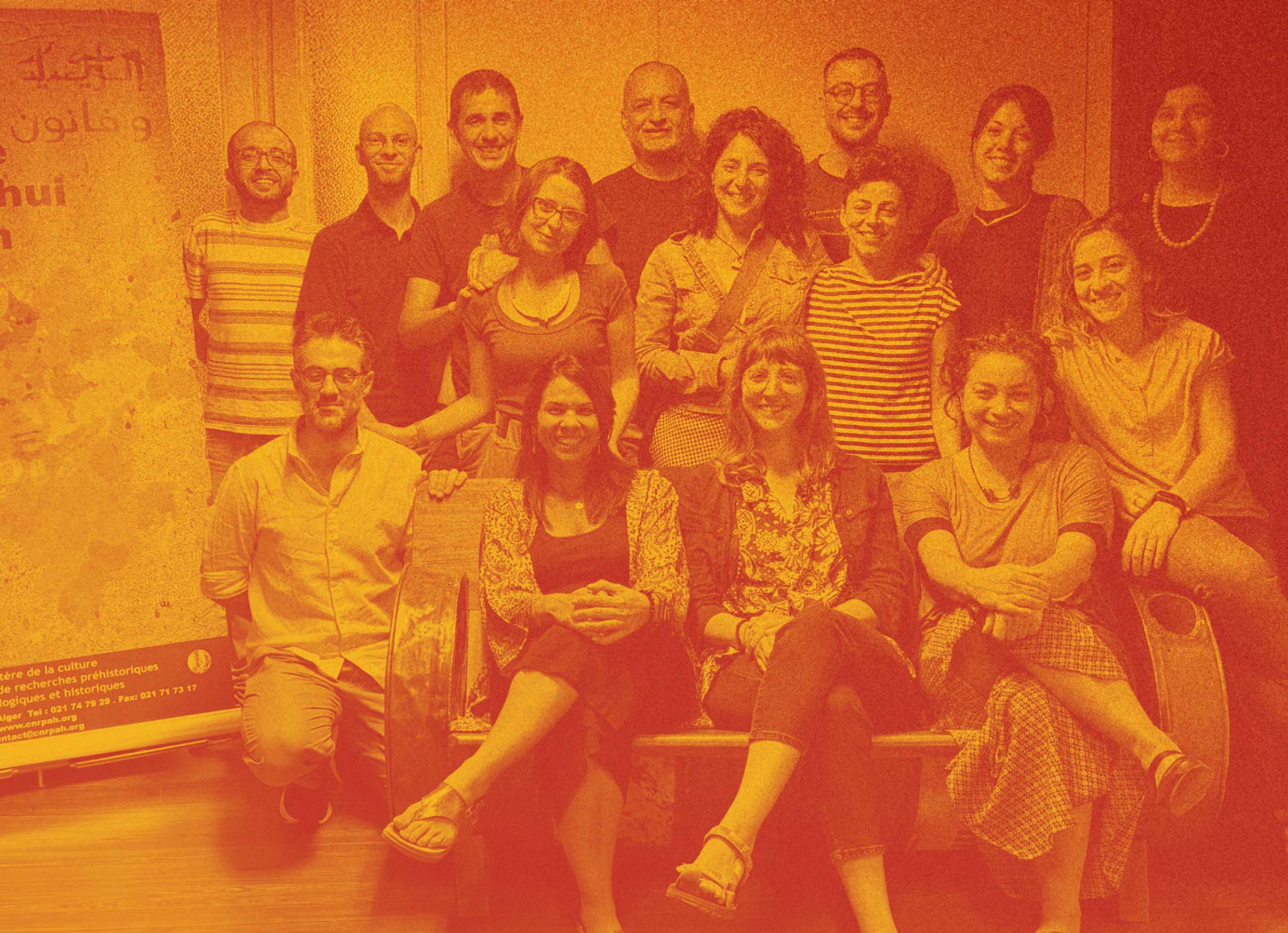
The Frantz Fanon Association (AFF), founded in Turin in 1997, brings together professionals from different backgrounds (psychology, psychiatry, cultural anthropology, cultural mediation, educational sciences) who share an interest in health, migration, and culture issues and are committed to developing clinical interventions in the field of mental health for people with a migrant background.
Our working group takes its name from the Martinican psychiatrist who, in his works and clinical practice, questioned not only the relationship between culture, psychopathology, and treatment, but also the complex relationship between European and African societies within the dynamics of violence characteristic of the colonial situation. Choosing his name meant wanting to situate both our research and our clinical practice within a theoretical framework that recognizes the centrality of cultures of belonging, but also the importance of historical, social, and economic contexts: a clear commitment, therefore, to considering the role and effects of the particular power relations that always underlie those of meaning.
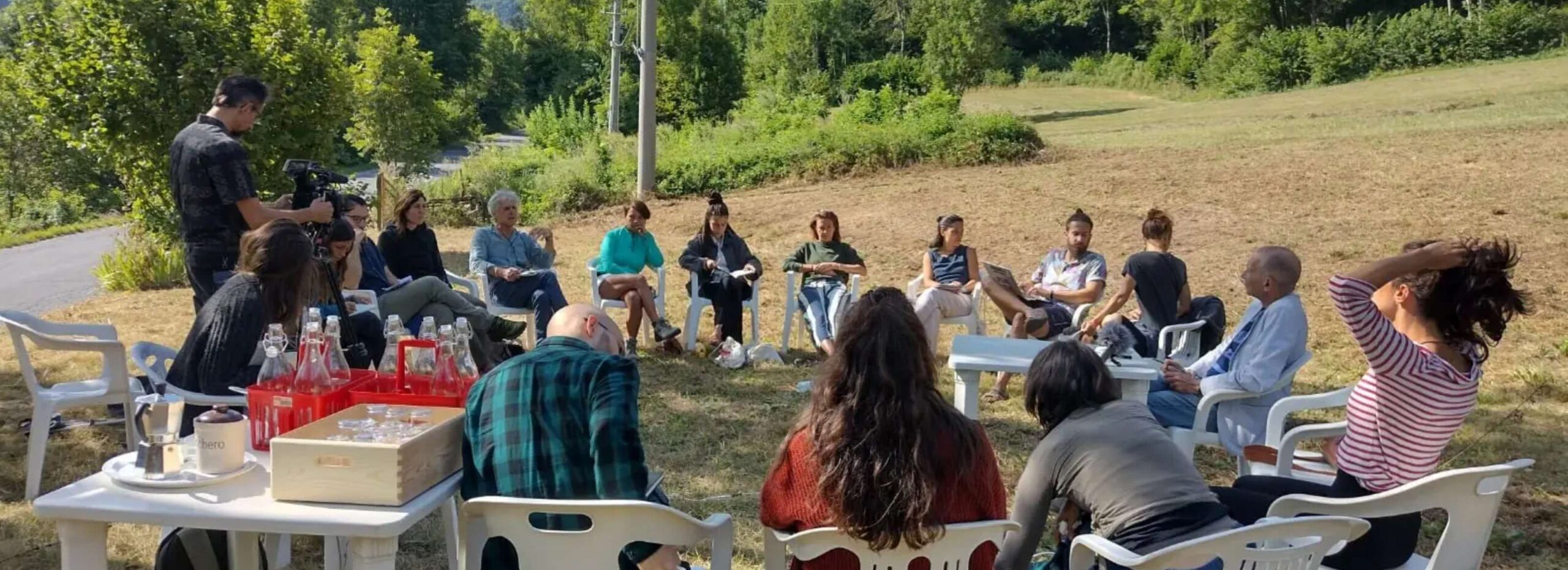
Attention to these different dimensions allows for a deeper understanding and more effective treatment of the suffering of the Other*, while also encouraging critical reflection on the organization of Western health institutions, the theoretical assumptions of our knowledge, and the foundations of our treatment practices. In recent years, the Association has promoted a debate on the policies of cultural difference and the intervention strategies adopted by institutions such as schools, prisons, reception communities, and psychiatric services, with the aim of encouraging greater awareness of the implicit assumptions underlying the actions and theoretical choices of the various professional figures.
*In this context, “Other” (capitalised) follows the anthropological/psychiatric usage that denotes individuals or groups positioned as socially marginalised relative to dominant power structures. It is not intended as a permanent label for any person.